Eye Conditions Treated
Dr Nazari is a specialist ophthalmologist with extensive expertise in doing complex cataract surgeries and managing medical retina conditions.
He has performed thousands of cataract surgeries with a focus on refractive outcome of surgeries and using latest sophisticated intraocular lenses.
Below is the information about the clinics services.
If you have any further questions please contact us.
Diabetic Retinopathy
Overview
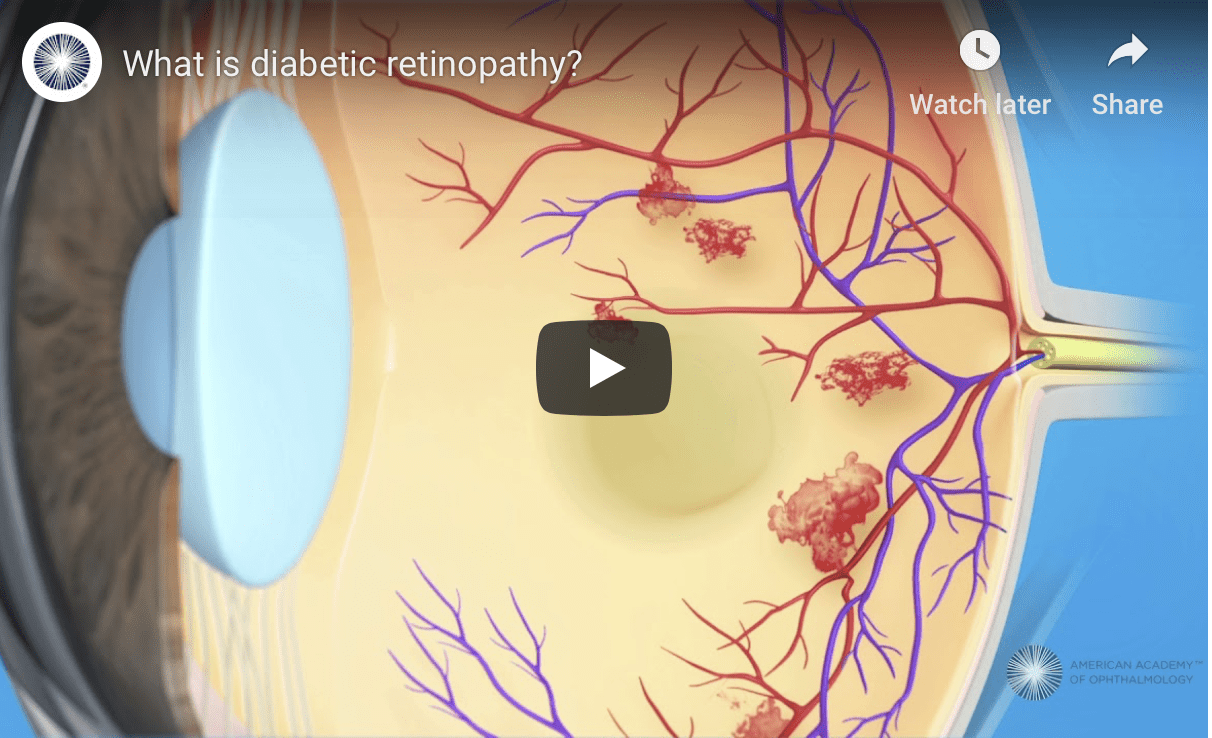
Diabetic retinopathy is a damage of the sensory layer in the back of the eye (retina) secondary to the damage to small vessels because of longstanding poorly controlled diabetes.
Symptoms
Although Diabetic Retinopathy is asymptomatic at the beginning, it may eventually cause any of the following symptoms:
- Blurred vision
- Dark spaces in the field of vision (scotoma)
- Fluctuations of vision
- Floaters
- Loss of vision
Early (Non-Proliferative) Diabetic Retinopathy
In Non-Proliferative Diabetic Retinopathy (NPDR) the walls of small vessels in the retina weaken and leak lipid material and fluid to the surrounding tissue. This causes swelling of retinal tissue and when it happens in the centre of macula, it can cause vision loss and needs treatment. The nerve fibre layer of retina may also swell (Cutton Wool Spots) and multiple bleeding spots may happen in the retina. In the more severe form of the disease, large vessels of the retina may become dilated and irregular.
Advanced (Proliferative) Diabetic Retinopathy
In Proliferative diabetic Retinopathy (PDR), small new vessels grow in the retina which may bleed into the clear jelly-like material fills the eye (vitreous) and cause a severe visual loss. Without treatment, these new vessels eventually may cause glaucoma or scar tissue resulting in retinal detachment and may lead to blindness.
Prevention
It is not always possible to prevent Diabetic Retinopathy, however with regular eye examination, good control of blood sugar and cholesterol level and hypertension the risk of developing Diabetic Retinopathy decreases significantly. If you smoke, you definitely need to discuss with your doctor the options to quit.
Diagnosis
Diabetic Retinopathy is best diagnosed with an eye exam when the pupil is dilated. For this exam drops are put in your eye to make the pupil wider, but this will cause a blurred near vision for about 6 hour and you will not be able to derive after the exam for this period. Your ophthalmologist will then examine your retina for signs of Diabetic Retinopathy and check the pressure of your eyes to exclude glaucoma.
Optical Coherence Tomography (OCT)
Your ophthalmologist may request an OCT for further assessment of your retina. This is a special image which shows different layers of retina and helps to exclude swelling of retina.
Treatment
While Non-Proliferative Diabetic Retinopathy only needs better control of diabetes, hypertension and hypercholestrolemia, for Proliferative Diabetic Retinopathy you need an intervention by your ophthalmologist. This can be injecting of a medicine into your eye or doing retina laser treatment. In very advanced form of the disease you may need a vitrectomy surgery.
Effect of injection medicine into the eye on Diabetic Macular Oedema
For further information about glaucoma click the below image: